
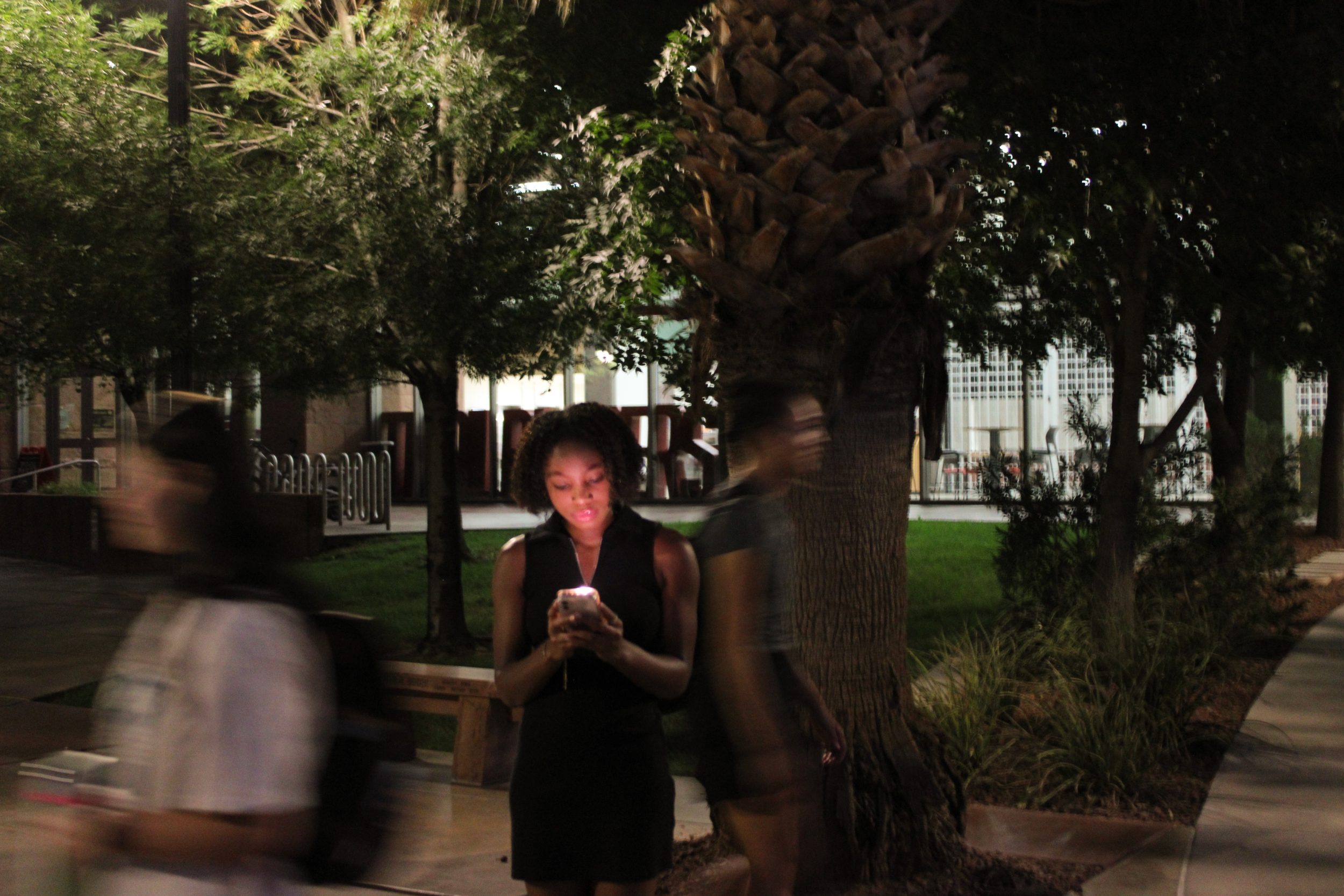
In an age when we’re more connected than ever, why do so many of us feel so alone? Are we interacting with each other online to supplement our relationships, or to hurt them? Social media was designed to bring us closer but it might be pushing us further apart.
The promise of technology, particularly social media, is enticing. Platforms like Facebook, Instagram and X allow us to stay in touch with friends and family, no matter where we are. We can share our lives in real time, receive instant feedback and never miss a moment.
As much as I do love getting live updates from my friends who are now all over the country, it doesn’t begin to measure up to the times I do get to actually see them. In a world with all the tools to connect us, why do we feel the opposite?
The reality is more complex. Despite the constant notifications, likes and comments, many users report feeling lonelier after using social media. A study published by the National Library of Medicine reveals that spending more time on social media is causing us to be more lonely.
The research reveals, “High levels of social media use relate not only to loneliness, but to mental distress more in general.”
One reason for this is the addictive nature of social media. The platforms are designed to keep users engaged, which can lead to social media fatigue or addiction. This constant engagement often replaces meaningful real-world interactions, which are essential for emotional well-being. They have linked social media addiction to increased mental distress, highlighting how excessive use can exacerbate feelings of loneliness.
The nature of social media content is something to consider when diving into this. Often, these platforms showcase idealized versions of others’ lives, emphasizing happiness and success. Constant exposure to such content can distort our perception of our own lives, fostering envy and dissatisfaction.
Online interactions lack the depth of face-to-face conversations. A like or comment can’t replace the warmth and satisfaction of a genuine conversation with someone you love. The superficiality of digital connection often leaves us feeling empty. While a call from home, a text from my mom or an Instagram post from my sister is nice to see, nothing beats seeing them and talking to them face to face.
To address this, it’s essential to be mindful of how we use social media. Instead of letting it replace real-world interactions, we should use it to complement them. Setting boundaries like limiting how much time you spend on social media, prioritizing face-to-face conversations and using technology to enhance rather than replace in-person meetings can help maintain meaningful connections.
With all of this being said, social media does have a great opportunity to keep people connected. I know that social media has been a key player in keeping my family updated and in the loop with my life since I moved away. It also makes it easier for me to keep up with their lives. I find myself bringing up posts when I do get to talk to them on the phone or see them in person.
The challenge is not the technology itself, but how we choose to use it. Social media can either bridge the gap or widen it. Finding a balance that keeps us connected without falling into the trap of digital loneliness is key.