

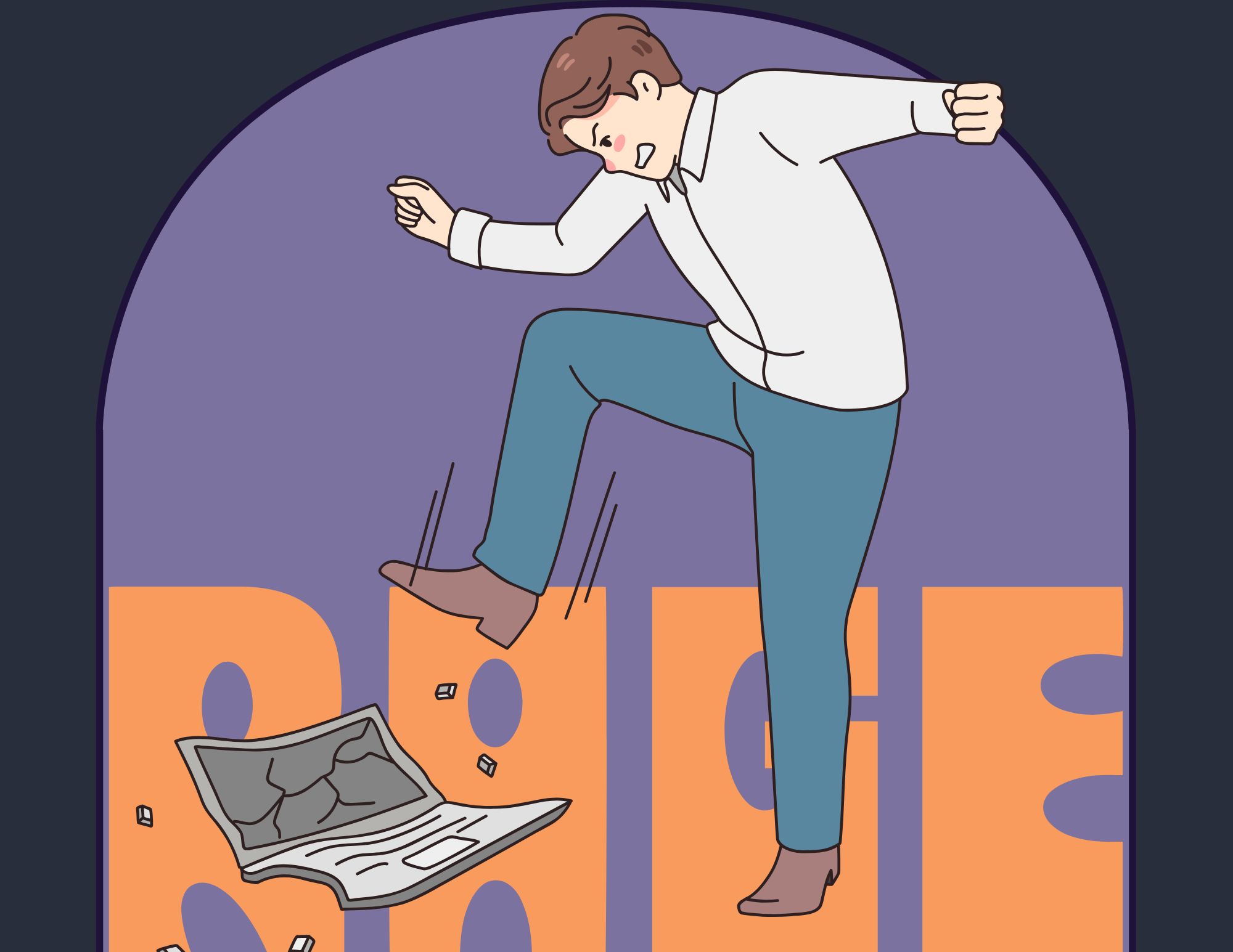
Outrage has become entertainment, and we’re rewarding it with every scroll.
When the term rage bait first gained popularity on social media, it was more humorous than harmful. It was often used ironically — creators would exaggerate minor opinions or make obviously unserious takes just to spark playful reactions. For example, people would send funny stickers or quotes to each other when having a conversation to spark a reaction, but not in a hurtful way.
It may have still been rage-baiting, but the audience understood the joke.
While it is still being used for content, it’s being used in a way that makes fun of someone for who they are as a person. From the way someone dresses to the way they speak, people are throwing around the word rage bait instead of just calling it bullying.
It’s making the internet less enjoyable to be on. You open TikTok expecting to see the kind of content you’re used to, and instead, you see someone labeling a post as rage bait just to justify saying something offensive or rude. I’ve recently seen videos saying slurs are OK, or videos where people attack someone’s identity.

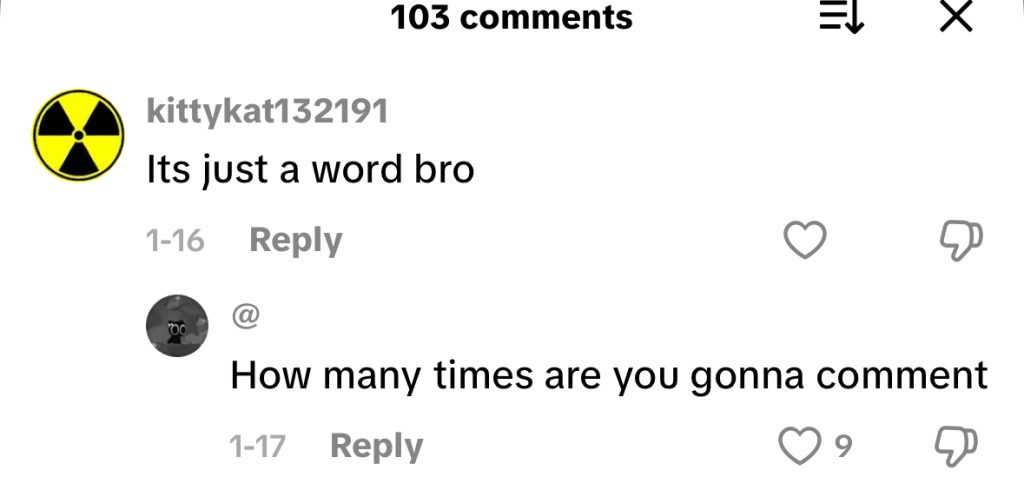
The term has become a barrier for these creators. If people get upset, the creator can brush it off as “it was just rage bait,” even though the content was clearly meant to mock or provoke.
Instead of clever exaggeration, it can turn into mean-spirited commentary disguised as a joke. And when that kind of content keeps getting pushed to the top of your feed, it shifts the tone of the entire platform, making scrolling feel more exhausting than entertaining.
It’s not just the videos that are the issue — it’s the comment sections too. I find myself getting rage baited just by reading the comments, and before I know it, I have to put my phone away because the commenters got the exact reaction they were looking for.
Rage-baiting taps into something called “negativity bias,” the psychological tendency for people to pay more attention to negative experiences than positive ones. Because of this bias, people are more likely to engage with content that triggers moral outrage.
That outrage drives comments, shares and long watch times. Algorithms interpret that high engagement as a sign that the content is valuable or interesting, so they push it to even more users. As a result, rage-inducing posts get amplified, rewarded and repeated, creating a self-sustaining cycle of outrage-driven content.
That is why this kind of content continues to thrive. People are deeply attached to their beliefs and identities, and when something feels like an attack on either, it creates a strong urge to respond and defend themselves.
Rage bait creators understand this. When a post challenges someone’s values, appearance, religion, politics or culture, it does not just feel like disagreement. It feels personal. That emotional reaction drives comments, arguments and shares, which only fuels the algorithm further and keeps the cycle going.
While we should speak out on the issues of this term, creating more content talking about it does more harm than good. That’s because people don’t take it seriously; they will still find a way to call you “soft” rather than acknowledge the fact that this is an issue.
These platforms aren’t going to step up to these issues, and that’s because this kind of content is giving them money. If it’s giving them money, they couldn’t care less about the repercussions.
Throughout the number of times I’ve reported something or left a comment asking for it to be taken down, I’m told there’s no sign of bullying.
If we continue to act like this on social media, then the media will be a place people want to ignore, rather than it being a time where it was an escape from reality. Now, I find myself with a lower screen time.
There isn’t an easy fix for this kind of content, but another type that consistently performs well is content that highlights positivity. The videos that prove it’s not that hard to be kind to someone. A creator on TikTok, for example, goes around and gives compliments to strangers. Before doing so, he makes them believe they are going to be rage baited, but tells them something kind instead.
It may feel overwhelming, but we can take it as an opportunity to be more intentional about what we engage with. Spend time interacting with positive accounts, because they deserve a platform more than someone profiting off people’s anger.
Be the change. Change the algorithm.