
People preach “love is love,” but for some people, the media crosses that line. Currently, there is a double standard in queer media that needs to be discussed.
People online have been showing prejudice when it comes to gay love stories vs. lesbian love stories. Gay stories have been celebrated, whereas lesbian stories have been receiving a lot of backlash.
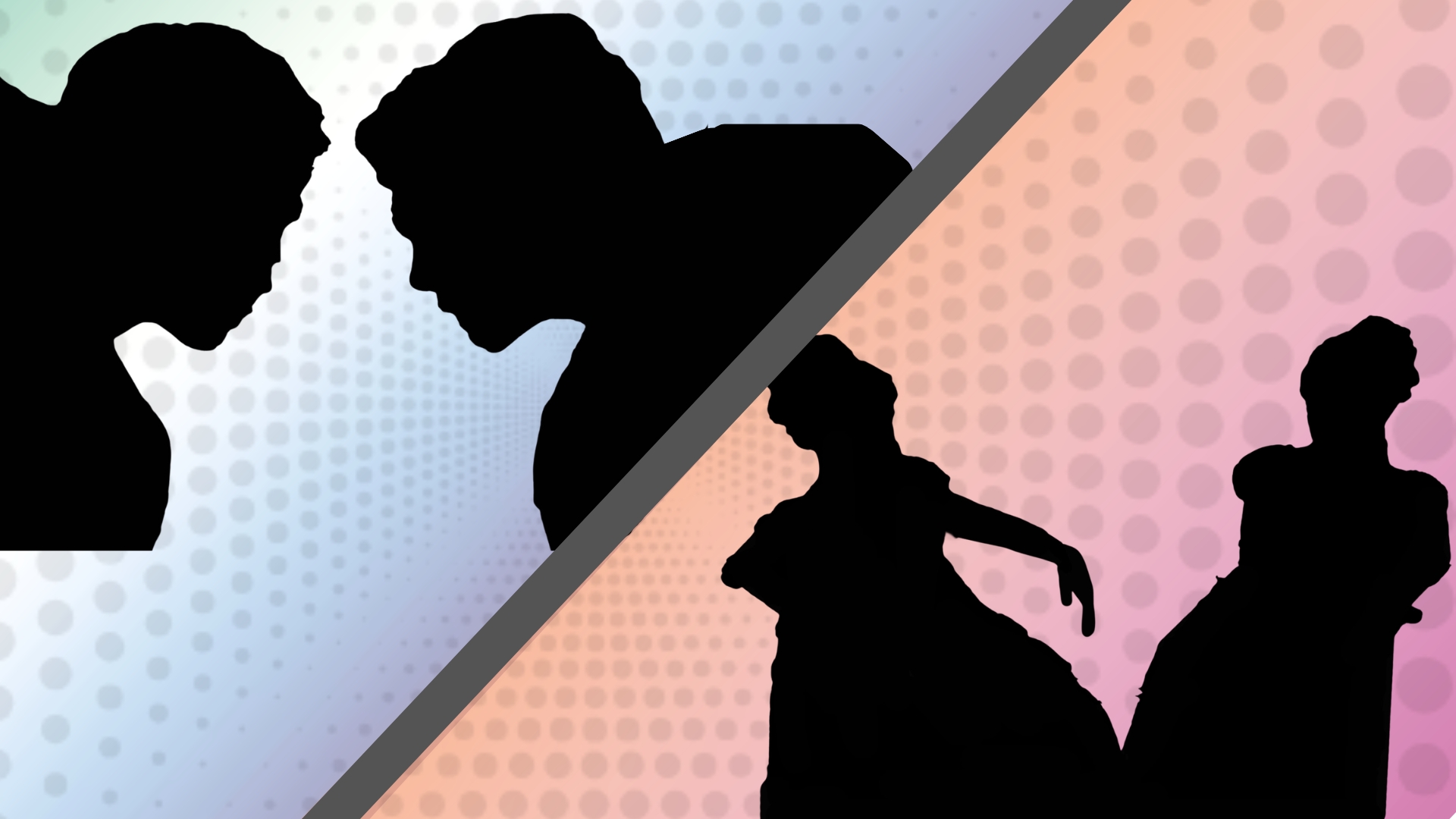
“Heated Rivalry” vs. “Bridgerton“
“Heated Rivalry” rose to popularity at the end of 2025, becoming a cultural phenomenon online. Every social media site you’d go on would have posts about the show and the impact behind it. The love story of Shane Hollander and Ilya Rozanov was celebrated and loved.
Viewers loved the slow burn between Shane and Ilya that lasted years in the narrative’s timeline. Yearning and passion were showcased with characters that went over well in the media.
What started off as a low-budget project has taken over the media through word-of-mouth. The show was averaging nine million viewers per episode. It’s people loving the story, the chemistry or the new breakout stars, and it’s taken pop culture by storm.
Season 2 has been confirmed and is estimated to be released in 2027. Fans of the show can’t wait to see what’s next for the couple.
At the beginning of the show, I didn’t get the hype, but as the season progressed, I thought the story was really sweet. I’m not a die-hard fan of the show, but I’ll be tuning into season 2.
In June 2024, the finale of “Bridgerton” season 3 was released on Netflix. When this finale was released, a debate was sparked online concerning the characters Francesca Bridgerton and Michaela Stirling.
Like “Heated Rivalry,” “Bridgerton” was originally a book series, and each book would tell the love story of a member of the Bridgerton family. Francesca’s book was the sixth book in the series, and her love interest was a man named Michael Stirling. Netflix put a twist on the story, making Michael a female character, and many hated it.
At first, I didn’t know how I felt about the twist because it was definitely a departure from the books. But now that season 4 has developed a connection between the two characters, I’m excited for the change and the representation it’ll provide.
Discourse was created, with some saying it’s inaccurate for a period piece to have a lesbian couple, or book readers being mad about the new dynamic the characters might have.
A double standard emerges in “Bridgerton” with two of the Bridgerton siblings. Benedict Bridgerton was the lead of season 4 and had a female love interest, but in the seasons beforehand, he didn’t have a determined sexuality.
The character was seen having intimate moments with both men and women, which didn’t create as much backlash to the upcoming sapphic love story. Why weren’t people arguing that his relationships with men weren’t time period accurate, like they’re doing now?
The media has reacted so negatively to “Bridgerton” when announcing that season 5 will focus on the sapphic relationship, that some say they will skip the season in its entirety.
As a viewer of both shows, the stories that they’re telling have impact and importance to society. The “Bridgerton” season hasn’t come out yet, but I’m eager to see how things play out.
The sexualization
A reason why this double standard is happening is the sexualization of gay stories. Some women see attractive men be intimate with each other and think it’s attractive, and that’s why they like it.
“Challengers” can also be an example of this. The movie contains conventionally attractive men who have a friendship but drift apart after they begin fighting over a girl in the story. Even with them not being in a romantic relationship, women still sexualize their friendship. With the rivalry of fighting over a woman, these viewers can easily put themselves into her position to fulfill a fantasy.
Women can imagine themselves in situations with these men, but when it comes to women, they don’t want to think about it. This causes a bias for gay stories over lesbian stories.
Sexualization goes both ways. Men can think that women kissing each other is attractive in the same way women perceive gay stories. Both sides will never be able to grasp the actual story being portrayed.
The solution
As someone who isn’t queer, I know I’ll never face the same challenges the LGBTQ+ community does, but I can still respect the stories being told.
To fix this double standard, viewers need to appreciate all ends of the queer spectrum. All stories are important and deserve an equal amount of love and attention, especially since for years these stories were brushed off and ignored.
Whether it’s gay, lesbian, transgender or anything else under the LGBTQ+ umbrella, the media needs to be respected and looked at in an open-minded way.